 Request a quote ›
Flat material and precise details
Sheet metal.
Cladding, infill, connection plate, cover, gutter or a design element. We choose the material, thickness and finish according to function, manufacturing method, corrosion exposure and the required appearance.
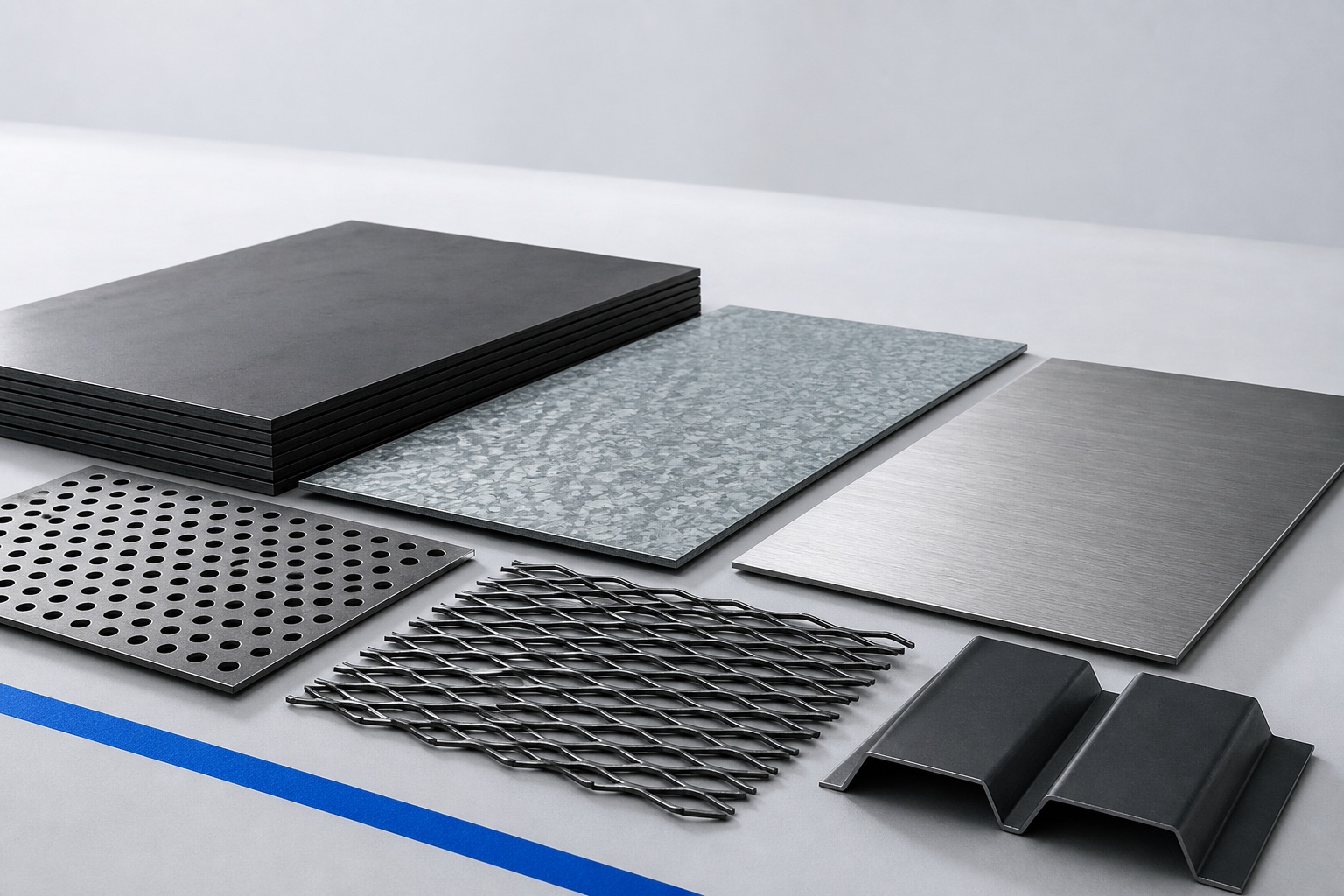
The sheet acquires its final function only after proper division, forming, joining and surface protection.
Material groups
Not all sheet materials behave the same way.
The difference is not only in color. The material affects welding, bending, magnetic properties, resistance to corrosion, weight, and the method of contact with other metals.
Mild steel sheet
Universal material for connectors, reinforcements, covers and welded parts. In the exterior, it needs designed protection.
Galvanized sheet
A thin zinc coating protects the base steel. Cut edges and welding must be handled using the correct technological procedure.
Stainless steel sheet
For hygiene, humidity, representative detail and a specific environment. The quality of stainless steel is chosen according to the exposure.
Aluminum sheet
Low weight and good corrosion resistance. It requires suitable welding, joining material and separation from steel.
Perforated sheet
Defined openings for ventilation, shading, protection or visual grid. The free surface and the strength of the edges are decisive.
Trapezoidal and profiled sheet
The profile increases rigidity and allows covering larger surfaces. Profile, thickness and supports are considered together.
Choice of thickness
From covers to structural connection plates.
The thickness is not selected according to one table. The size of the part, support, load, method of bending, size of holes, welds and required flatness are decisive.
| The role of sheet metal | What are we watching? | Production detail | A typical solution |
|---|---|---|---|
| Cover and lining | Flatness, vibration, expansion and anchoring | The bent edges increase the rigidity of the thin part | Cassettes, covers and flashings |
| Gate or fence infill | Wind, transparency, safe edges | Frame, edging and expansion clearances | Slats, solid or perforated sheet metal |
| Joint structure | Load capacity of screws, welds and holes | Precise drilling or burning and geometry control | Feet, front plates, reinforcements |
| Walkable element | Load, anti-slip, drainage | Reinforcements, supports and safe termination | Stairs, platforms, service gangways |
| Sheathing | Wind, expansion, water and condensation | Covering, sealing and proper anchoring | Trapezoidal or folded system |
Roughly
We confirm the specific thickness and quality only after knowing the dimensions, load, openings, bends and method of attachment. Calculation is decisive for load-bearing elements.
Processing
From sheet to finished part.
The quality of the result is not determined only by the material. Cut tolerances, bending radius, sequence of operations, deformations after welding and edge preparation before painting or galvanizing are important.
- Cutting by laser, plasma, saw or shears according to the material and required precision.
- Bending with regard to rolling direction, minimum radius and springback.
- Drilling, threads, countersinks and process holes before surface finishing.
- Welding by the selected process with control of heat input and deformations.
- Deburring and safe edges on parts that the customer touches.
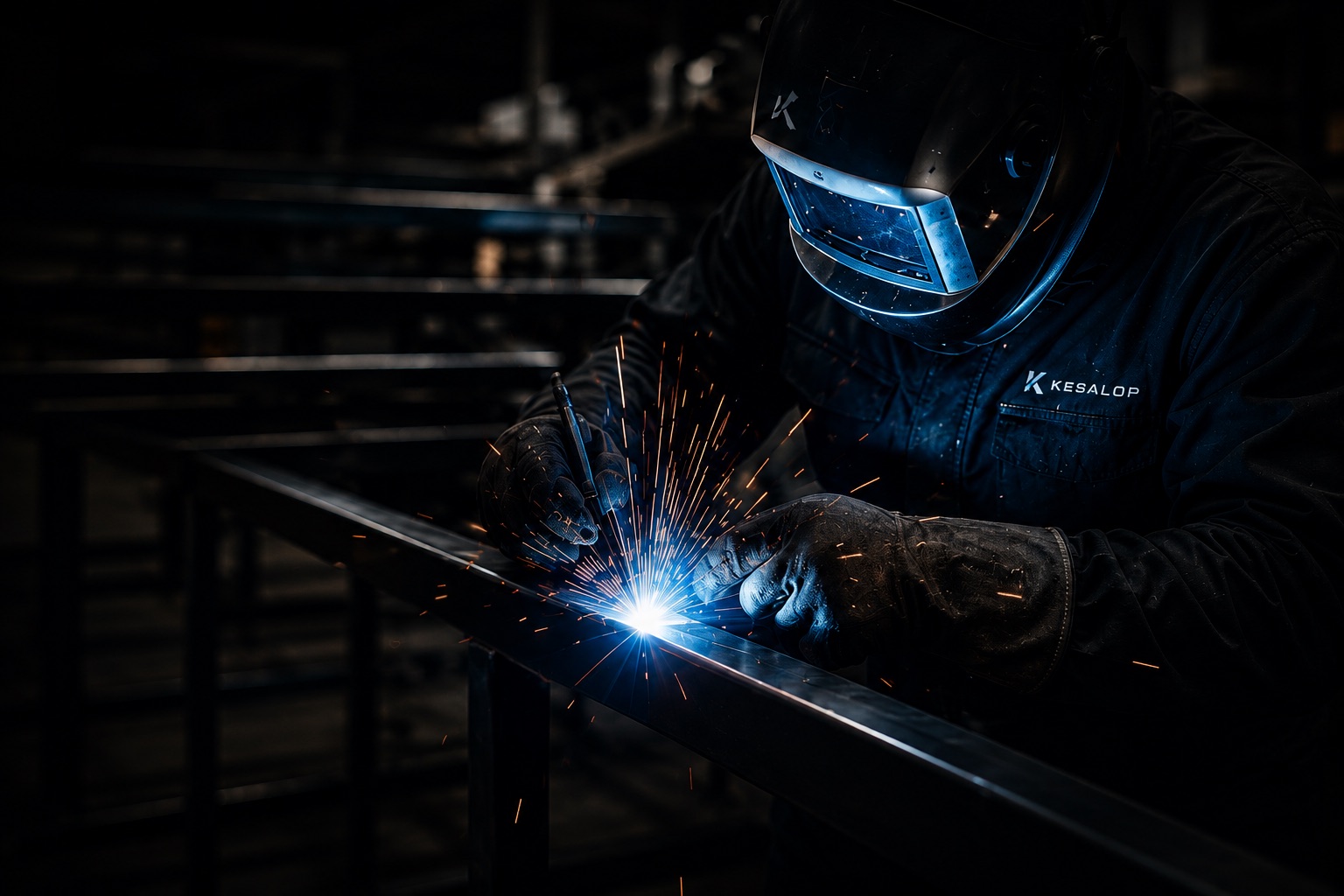
The technological procedure is prepared according to the material, thickness, precision and final surface treatment.
From design to surface
The sequence of operations saves time and material.
During custom production, we plan the part in such a way that handling is not repeated unnecessarily and that all mounting points are accessible after surface treatment.
Flat pattern
Dimensions, bends, radii, openings and allowances.
Cutting
Clean cut, part marking and board optimization.
Forming
Bending, rolling or pressing in the correct order.
Connection
Welds, rivets, screws or hidden mechanical joints.
Finishing
Grinding, galvanizing, coating, film and dimensional inspection.
Frequent designs
Sheet metal as both function and character.
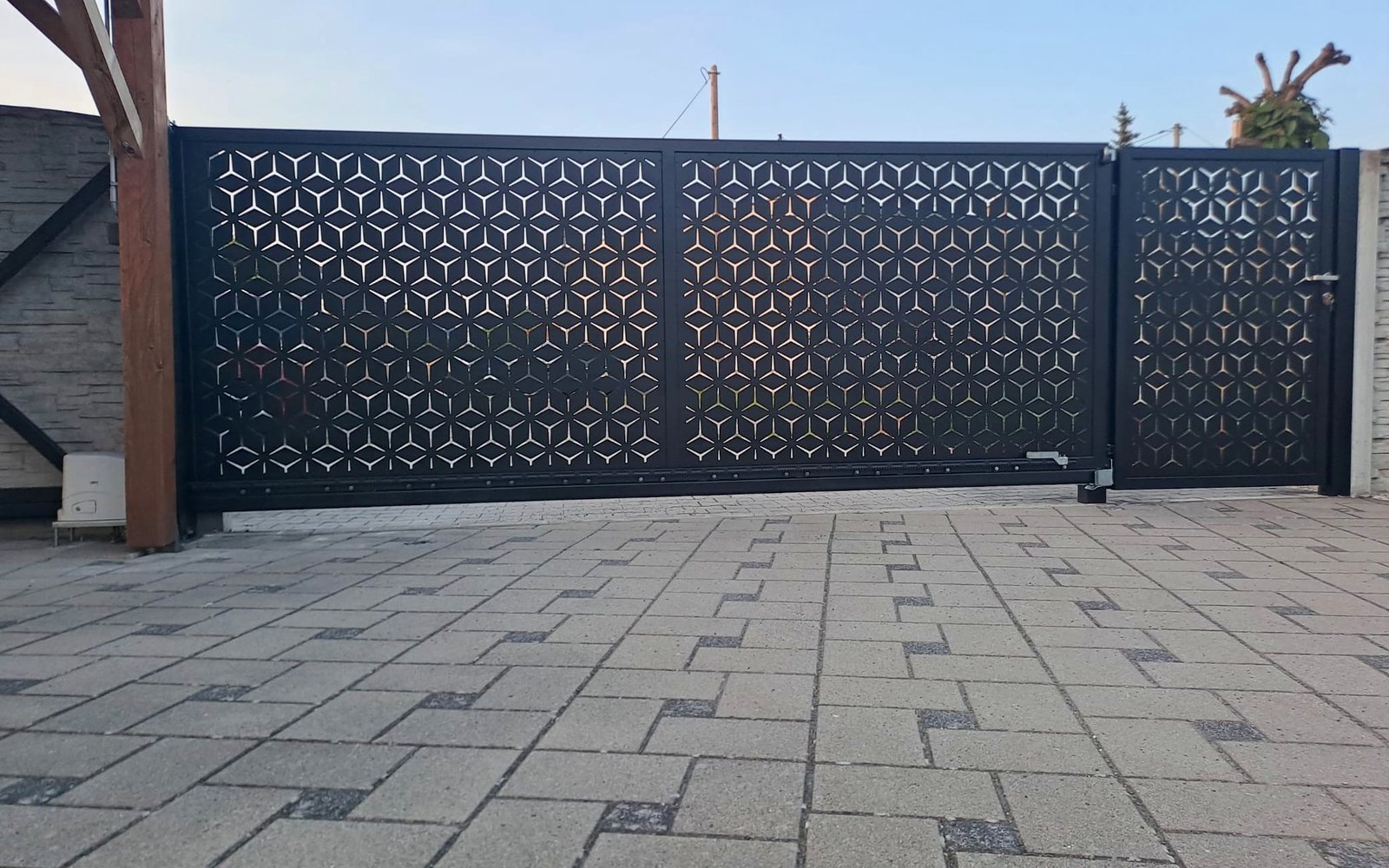
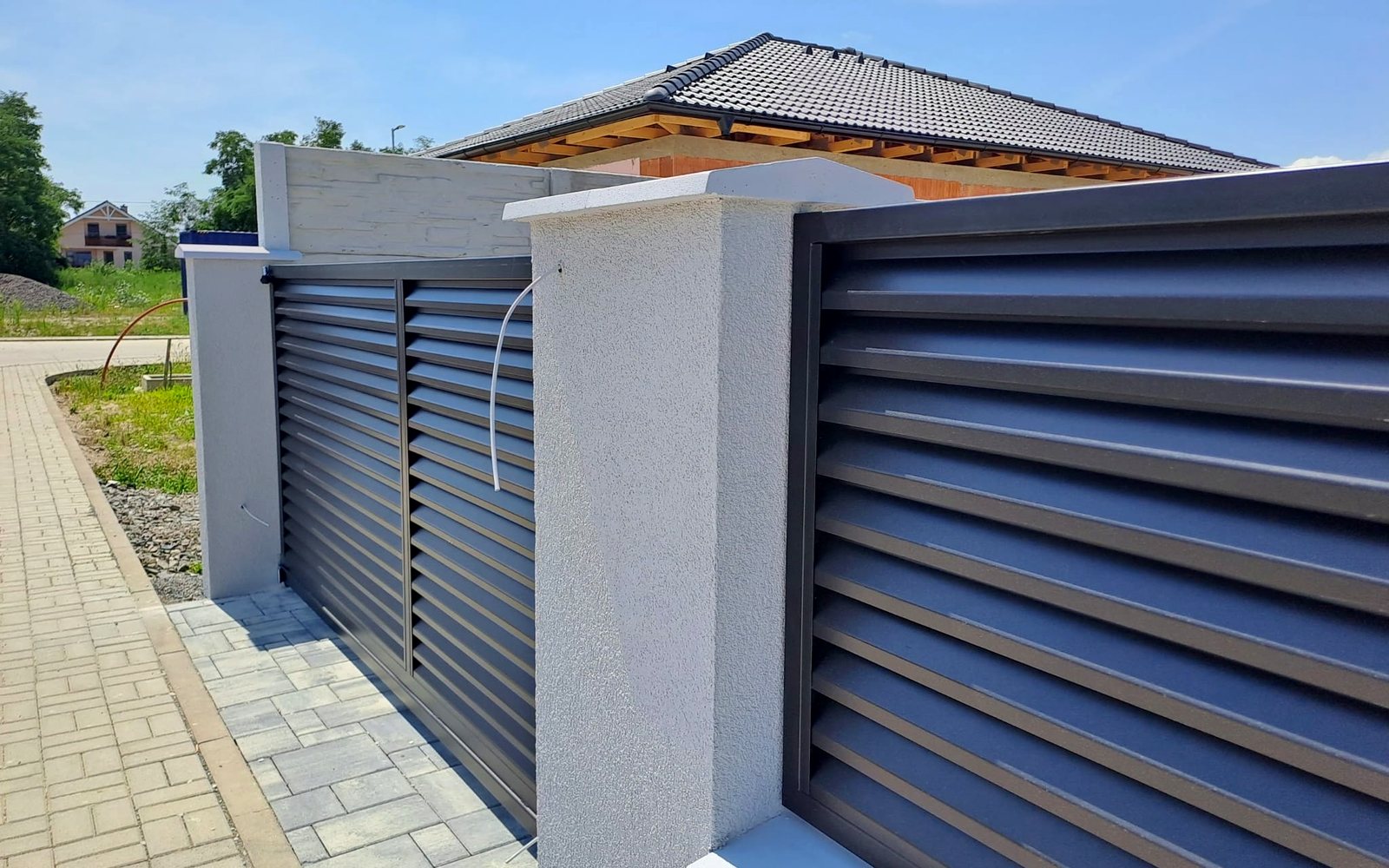
Solid sheet provides privacy, perforation admits air and light, expanded metal creates a durable technical layer, and trapezoidal sheet forms efficient cladding.
Related chapters
Material, shape and protection together.
When choosing sheet metal, you must simultaneously know the infill system, the final surface and the method of connection to the structure.
Do you have a part or the whole assembly?
We will prepare the material, processing, surface and assembly according to the drawing or assignment.